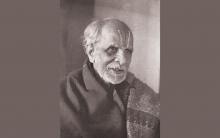
Author:sandeep


Vīravara’s son woke up and quickly understood the situation and said, “Father! I am indeed fortunate to be of service for our master’s wellbeing! We owe him our daily bread - hence it is only fit that I serve him in his time of need! Take me along, by all means!”. Vīravara happily said “Truly you take after me, my son!”. The king who had followed Vīravara overheard all this and felt amazed at their courage. Vīravara took his son on his shoulders and his wife Dharmavatī took her daughter up her arms.

Appendix 5. Vyavasāya (Sustained effort)
vyavasāyātmikā buddhirekeha kurunandana || (2.41)
Here vyavasāya refers to sustained effort or continuous industry focused on a single goal. That is penance (tapas). A person needs to be of a single-pointed mind to satisfy any immense objective. If, on the other hand, his mind were to vacillate from one side to another every moment, none of his efforts would go very far.

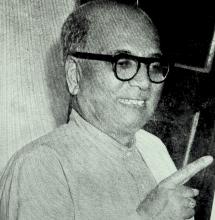

ನಿರ್ಗುಣಬ್ರಹ್ಮ-ಸಗುಣಬ್ರಹ್ಮ, ಧ್ವನಿ-ಗುಣೀಭೂತವ್ಯಂಗ್ಯ
ಶಂಕರ ಮತ್ತು ಆನಂದವರ್ಧನರ ಸಿದ್ಧಾಂತಗಳಿಗಿರುವ ಸರ್ವಸಮನ್ವಯದೃಷ್ಟಿ ಮತ್ತೂ ಒಂದು ಅಂಶದಲ್ಲಿದೆ. ಅದು ಬ್ರಹ್ಮಕ್ಕೆ ಸಗುಣತ್ವ ಮತ್ತು ನಿರ್ಗುಣತ್ವಗಳೆಂಬ ಎರಡು ಸ್ತರಗಳ ಕಲ್ಪಿಸುವಿಕೆ ಹಾಗೂ ವ್ಯಂಜನಾವ್ಯಾಪಾರದ ಪ್ರಾಧಾನ್ಯ ಮತ್ತು ಅಪ್ರಾಧಾನ್ಯಗಳಿಗೆ ಅನುಸಾರವಾಗಿ ವ್ಯಂಗ್ಯ ಮತ್ತು ಗುಣೀಭೂತವ್ಯಂಗ್ಯ ಎಂಬ ಎರಡು ಹಂತಗಳ ರೂಪಿಸುವಿಕೆಯನ್ನು ಕುರಿತಿದೆ.[1]

On yet another occasion, the king had to fight a war with a rival from the frontiers. The seeker went with him and defeated many enemy men with his staff. The king was victorious and returned home. Though he had witnessed the strength and skill of the seeker, he did not reward him at all.
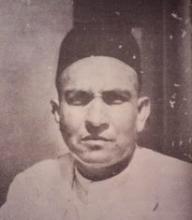
On 29th August 1959, Dr. Sarvepalli Radhakrishnan visited Mysore to inaugurate the All India Conference on Philosophy. Subrahmanya Shastry wrote the following verses to welcome him –
yasmin jñāte janeṣu prasarati vimalo bhrātṛ-bhāvaḥ suhṛt-tvaṃ
puṣṭis-tuṣṭis-samṛddhir-nirupama-vibhavaḥ saṃskṛter-dīptimat-tvam|
mānuṣyaṃ yena samyag jagati vijayate dharmam-ujjīvya satyaṃ
pāyād-vaḥ śāśvataṃ tat prarucira-sudhiyāṃ darśanaṃ bodha-pūrṇam||