
Author:sandeep
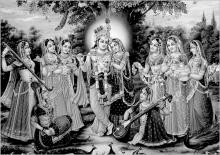

चलत्कर्णानिलोद्धूत सिन्धूरारुणिताम्बरः।
जयत्यकालेऽपि सृजन् सन्धामिव गजाननः॥
Victory to Gajānana, who reddens the sky with sindhūra
scattered by the wind from the constant flapping of his ears,
creating a sense of sunset even when it’s not the hour of dusk!
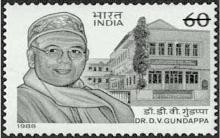
Upon completing my first year of high school (Fourth Form) at Mysore, I moved to Kolar for the second year (Fifth Form). After initial hardships in matters of boarding and lodging, I was able to set up boarding arrangement at one Venkataramayya’s residence, which was made possible by Ramadasappa’s munificence.
“There is a dire need for the rejuvenation of connoisseurship. The number of connoisseurs in the society must increase. The tastes and opinions of people need to be more cultured.” Rāḻḻapalli Ananthakrishna Sarma had expressed this concern during his presidential speech at the Āndhra Nāṭaka Kalāpariṣat at Nellore in 1938. To this day, after the passage of so many decades, his opinion is relevant, perhaps even more so.
ಇಂಥ ಕಲ್ಪನೆಯಿಂದ ಹುಟ್ಟಿದ ಸಾಹಿತ್ಯದ ಸ್ವರೂಪವನ್ನು ಹೀಗೆ ಬಣ್ಣಿಸುತ್ತಾನೆ:
ಅಸ್ತಿ ಸಾರಸ್ವತಂ ಚಕ್ಷುರಜ್ಞಾತಸ್ವಾಪಜಾಗರಮ್ |
ಗೋಚರೋ ಯಸ್ಯ ಸರ್ವೋऽಪಿ ಯಃ ಸ್ವಯಂ ಕರ್ಣಗೋಚರಃ || (೧.೯)
ಎಚ್ಚರ-ನಿದ್ರೆಗಳಿಲ್ಲದ ನೇತ್ರವೇ ಸಾಹಿತ್ಯ. ಇದರ ದೃಷ್ಟಿಗೆ ಎಲ್ಲವೂ ತೋರಿಕೊಳ್ಳುತ್ತದೆ; ಇದು ಮಾತ್ರ ಕಿವಿಗೆ ಎಟುಕುತ್ತದೆ.
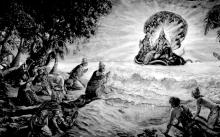

பூர்வ பாகத்தில் ஒரு மனிதன் அடைய வேண்டிய உயர் பதவி சொர்க்கம் என்றும், அது வாழ்க்கை முடிந்தபின்பே சென்றடைய முடியும் என்றும் கூறுவதாக இந்த உபநிஷதம்[1] உரைக்கிறது. சொர்க்கம் சென்றவர்கள் துக்கமே இல்லாத நித்தியானந்த நிலையை அடைவார்கள் என்றும் கூறுகிறது. உத்தர பாகத்திலும் இதே கருத்து தெரிவிக்கப்படுவதாக போதிக்கும் அதே வேளையில், எல்லையற்ற ஆனந்தத்தை எங்கோ சொர்க்கபுரியில் சென்றடையாமல், நாம் பூலோகத்தில் வாழும்போதே அடைய முடியும் என்கிற உயர்ந்த கருத்தை இந்த உபநிஷதம் முன்வைக்கிறது.

Naravāhanadatta and Gomukha bathed in the garden well, partook their meals in the middle court of the palace, drank well, and ate tāmbūla. That night, besotted by Karpūrikā, Naravāhanadatta was unable to fall asleep and Rājyadhara told him, "Why do you worry? You will obtain your beloved. Lakṣmī herself woos those with sattva and good character. I have seen this with my own eyes!" Then he narrated the following tale:

Discord
Once again rumours flew thick and fast about Mirza Ismail when the Crown Prince died in Bombay (11 March 1940). Some people spread rumours that Mirza harboured contempt towards the crown prince and hence he didn’t show his respect during the funeral.
The people who resorted to such mischief gained nothing from such tales except that it caused deep agony to Mirza.

There are several tiers of instruction in the Bhagavad-gītā from the level of "patraṃ puṣpaṃ phalaṃ toyam" (offering a leaf, flower, fruit or water) to the level of nistraiguṇya (being beyond the three qualities). Not all of us can follow these teachings at all times. It is like a library wherein we select what we need. Though there are hundreds of lessons, it is up to us to choose what fits us. One’s itch cannot be relieved by another person. Only the experiencer knows what and where the itch is.