Author:hari

Reminiscences of Olden Days

Sarma’s narration of the life and actions of the yesteryear scholars was fascinating. This was one such incident he shared from his memory.

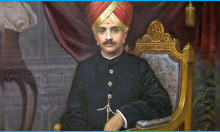
A renowned grammarian from North India once visited the court of H. H. Krishnaraja Wodeyar III. His challenge to the court was that he would be able to defeat anyone in debate.
ವ್ಯಂಜನಾವ್ಯಾಪಾರವು ಪ್ರಮಾಣವಲ್ಲವೆಂಬ ಮತ್ತೊಂದು ಆಕ್ಷೇಪ ಹೀಗಿದೆ:

ಧೂಮೇನ ಧ್ವನ್ಯತಾಂ ವಹ್ನಿಶ್ಚಕ್ಷುಷಾ ಧ್ವನ್ಯತಾಂ ಘಟಃ |

ಅರ್ಥಶ್ಚೇದ್ಧ್ವನಯೇದರ್ಥಂ ಕಾ ಪ್ರಮಾಣವ್ಯವಸ್ಥಿತಿಃ || (೨೦.೧೬)

ಅರ್ಥಶಕ್ತಿಮೂಲಧ್ವನಿಯು ಹೇಗೆ ತಾನೆ ಪ್ರಮಾಣವೆನಿಸೀತು? ಹಾಗೊಮ್ಮೆ ಒಪ್ಪಿದಲ್ಲಿ ಹೊಗೆಯಿಂದ ಬೆಂಕಿಯೂ ಕಣ್ಣಿಂದ ಮಡಕೆಯೂ ಧ್ವನಿತವಾಗಬೇಕು!

Won't you be able to tolerate it for a night? – Kāñcanaprabhā said. Soon after, she went away with her child. Naravāhanadatta came to Kauśāmbi. At night, as he was falling asleep, Gomukha narrated to him this tale of Pṛthvīrūpa –

Generosity of Personality

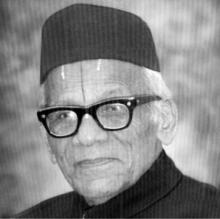
Masti was not particularly affluent. His earnings were not much compared to what government officials earn today. He felt that whatever he had must be spent for society and as a result, he had cultivated living a simple life. He kept aside a large portion of his savings for the sake of public welfare. He led a life along the ideals laid down by Kālidāsa in his Raghuvaṃśa, “त्यागाय सम्भृतार्थानां...” (One who ‘accumulates wealth only so that he might offer it in charity...’)

The principle of the Self decides everything

The teaching of the Gītā begins from the second chapter in which Bhagavān classifies the entire Universe into the body and the embodied, and explains that while the body is subject to modification and destruction, the embodied Self consciousness is immutable, eternal, of one form and without any divisions. 

ಮೀಮಾಂಸಕರು ಮೊದಲಿನಿಂದಲೂ ಕಾವ್ಯವಿರೋಧಿಗಳು. ಅವರತ್ತ ಕವಿ ಹೀಗೆ ಕಟಾಕ್ಷಿಸುತ್ತಾನೆ:

ಅರ್ಥೇಷ್ವಲಂಕಾರವಿದಃ ಪ್ರಮಾಣಂ

            ಶಬ್ದೇಷು ನಃ ಶಬ್ದವಿದೋ ಮುನೀಂದ್ರಾಃ |

ಕೇ ತಾಂತ್ರಿಕಾಣಾಂ ಕವಯೋ ಭವಂತಿ

            ಕೇ ವಾ ಕವೀನಾಮಪಿ ತಾಂತ್ರಿಕಾಃ ಸ್ಯುಃ || (೧.೭೦)