
November 2025
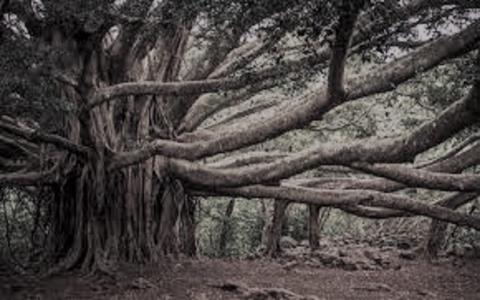
ನನಗೆ ಬಾಲ್ಯದಿಂದಲೂ ನಾರದಮುನಿಗಳೆಂದರೆ ತುಂಬ ಆದರ, ಕುತೂಹಲ. ಅಕ್ಷರಾಭ್ಯಾಸಕ್ಕೆ ಮುನ್ನವೇ ರಾಮಾಯಣ, ಮಹಾಭಾರತಗಳ, ವಿವಿಧ ಪುರಾಣಗಳ ಕಥೆಗಳನ್ನು ಕೇಳುತ್ತ ಬೆಳೆದ ನನಗೆ ಕಥಾಕೀರ್ತನಗಳಲ್ಲಿ, ಪೌರಾಣಿಕ ಚಲನಚಿತ್ರಗಳಲ್ಲಿ ನಾರದರ ಬಗೆಗೆ ಮತ್ತೂ ಹತ್ತಾರು ವಿಷಯಗಳು ತಿಳಿಯುತ್ತ ಬಂದವು. ಈ ತಿಳಿವು ಯಾವ ಮಟ್ಟಿಗೆ ನನ್ನನ್ನು ಪ್ರಭಾವಿಸಿತೆಂದರೆ ನನಗೇನಾದರೂ ಋಷಿತ್ವ ಬರುವುದಿದ್ದಲ್ಲಿ ಅದು ನಾನು ನಾರದರಾಗಿ ಬಾಳುವಂತಿದಿದ್ದರೆ ಮಾತ್ರ ಸಮ್ಮತವೆಂದು ಗಟ್ಟಿಯಾಗಿ ನೆಮ್ಮುವಷ್ಟು! ಅಲ್ಲವೇ ಮತ್ತೆ, ನಾರದರಾಗುವುದರಲ್ಲಿ ಅದೆಷ್ಟು ಸೊಗಸಿದೆ, ಅದೆಷ್ಟು ನಲವಿದೆ! ಮನೆ-...
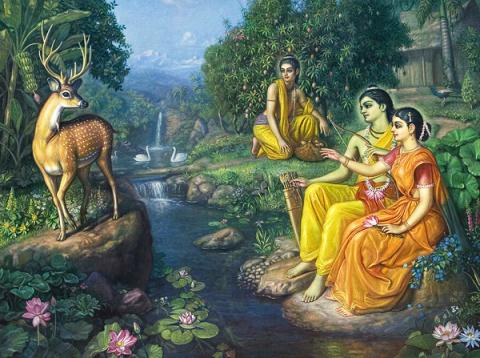
Āścarya-cūḍāmaṇi
Śakti-bhadra, who belongs to the Malabar region, is the author of Āścarya-cūḍāmaṇi. The play in seven acts contains the story of the Rāmāyaṇa, starting from Śūrpaṇakhā’s entry up until Rāma leaving Laṅkā to return home.
Rāma, with his valour, clears Janasthāna of rākṣasas; the sages who are pleased with him gift him āścarya-cūḍāmaṇi, adbhutāṅgulīyaka, and a kavaca. The āścarya-cūḍāmaṇi – a magical crest jewel – is worn by Sītā,...

The letters also contain valuable discussions on grammar, stylistics and poetics. DVG the natural poet has occasionally composed entire letters in verse (K V Puttappa: 18.2.1944, V K Gokak: 4.9.1941). We learn of DVG’s respect for his predecessors and his honest efforts at republishing their works (T N Padmanabhan: 3.9.1968), as also his lively sense of humour that sometimes bordered on the risqué (T N Sreekantaiya: 30.3.1947). Included here is...
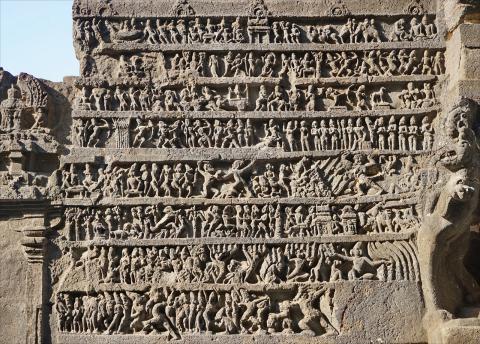
The Hanūmannāṭaka, which is also called the Mahānāṭaka narrates the entire story of the Rāmāyaṇa. The play is famous more for its unique structure and less for its storyline. To understand the special nuances of the play, one must have a good understanding of the original epic.
It wouldn’t be wrong to say that there are insurmountable impediments for saying anything conclusive about the author and period of composition of the play; there isn’t a...
Let us look at a few instances that illustrate these traits.
The self-effacing DVG protested against having a special issue of a literary magazine dedicated to him and against a book written about him (Masti Venkatesha Iyengar: 27.5.1950, V Sitaramiah: 25.4.1973). When V Sitaramiah wished to celebrate DVG’s eightieth birthday, he made a mockery of the proposal by suggesting eight hilarious activities (23.12.1968). When he was pressed into...
[The following forms the Editors’ Introduction to DVG through Letters, a volume published by the Gokhale Institute of Public Affairs, Bengaluru, to mark the fiftieth death anniversary of D V Gundappa.]
The publication of this volume of letters is a significant milestone in our endeavour to make available the major works of D V Gundappa in English. Together with the eleven-volume Selected Writings of D. V. Gundappa, it brings to light...