
February 2026
Creation and Dissolution
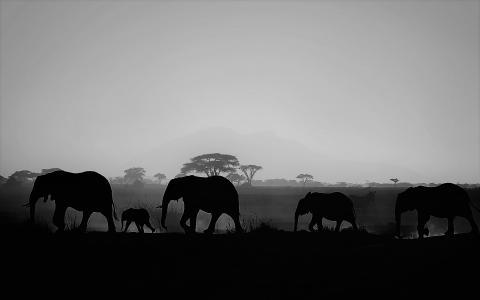
The Sanskrit word for creation is sṛṣṭi, which means ‘pouring forth.’ In other words, it is not ‘creation’ but rather an outpouring, an expansion, an expression. In the Vedas, the concept of Creation is discussed in various ways. One hymn (Nāsadīya-sūkta[1]) proposes a brilliant conceptual model for creation while another (Hiraṇyagarbha-sūkta[2]) raises and answers many questions about the creator and creation. Yet...

Ḍima
The Nāṭyaśāstra mentions the play Tripura-dāha as an example for the genre called ḍima. However, the play seems to have been lost over time; we do not have access to any other ancient ḍima, either. A playwright named Vatsarāja, who lived in about 1150 CE has penned a ḍima named Tripuradāha. It is likely that the ḍima mentioned by Bharata in his Nāṭyaśāstra was no longer available during Vatsarāja’s times, and hence, the playwright has...
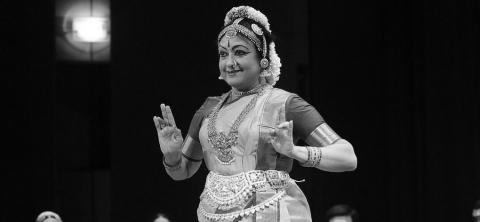
Padma is widely recognized for her path-breaking reconstruction of the mārga-karaṇas. Her achievements as a researcher and performer of this universal language are comparable only to the combined efforts of Bhagavān Pāṇini (as well as Maharṣi Patañjali) and Amarasiṃha, the masters of Sanskrit grammar and thesaurus respectively. At an early stage in life, she realized that the sublime scheme of Bharata accommodates all beautiful movements,...
Liberation: Here and Now
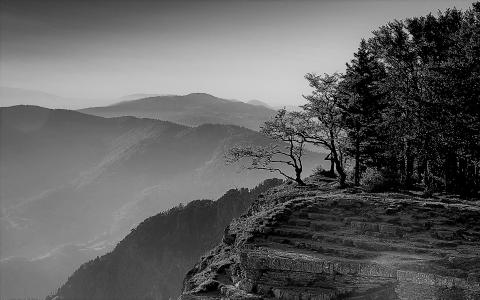
One of the remarkable contributions of Hindus is that they not only crystallized the concept of Ultimate Liberation but also established its immediacy. In other words, mokṣa is not restricted to a post-death stage but can happen here and now.
This glorious conception—of being liberated during one’s lifetime—is called jīvanmukti.
Indeed, the Hindu conception of liberation is not a post-dated cheque but a demand draft. The...

In the second act, the king of Nissantānagrāma by name Saṅgrāmavisara arrives there with his friend named Viśvāsaghātuka. Madanamañjarī, who realises that he was a rich man, speaks to him in a welcoming and pleasant manner; he, however, was a namesake king only. He had to borrow money to buy a dog; he had no means to even earn to repay the debt.
A brāhmaṇa named Mithyāśukla arrives there. The following verse describes his name –
brāhmaṇya-darpa-...
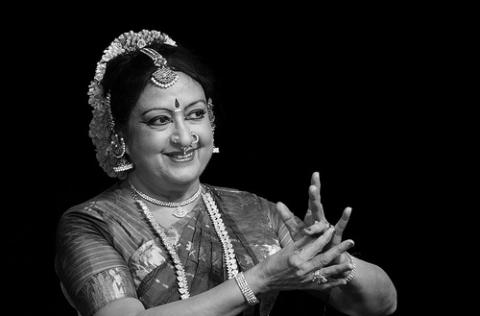
We are never witnesses to the events of the past; it is therefore hard to write authentic history. Written history, regardless of its authenticity, is but a coarse inference based on the relics of yore. This problem is further aggravated in the case of Indian history, where tangible evidence that the modern mind expects is meagre, and the oral tradition, i.e., the unwritten history, rather reigns supreme. This is most evident in the historical...

ಸಾಮಾನ್ಯವಾಗಿ ಭಾರತೀಯ ತತ್ತ್ವಚಿಂತನೆಯಲ್ಲಿ ಆಸಕ್ತಿಯುಳ್ಳವರಿಗೆ ಅಧ್ಯಾತ್ಮ ಎಂಬ ಶಬ್ದ ಕಿವಿಗೆ ಬಿದ್ದಿರುತ್ತದೆ. ಅತ್ಯಂತ ಪ್ರಾಚೀನ ಉಪನಿಷತ್ತುಗಳಲ್ಲಿಯೇ ಇದರ ಉಲ್ಲೇಖವಿದೆ (ಉದಾ: ಛಾಂದೋಗ್ಯ. ೪.೩.೩ ಮತ್ತು ತೈತ್ತಿರೀಯ. ೧.೩). ಇದೇ ರೀತಿ ಅಧಿಭೂತ, ಅಧಿದೈವ ಮತ್ತು ಅಧಿಯಜ್ಞ ಎಂಬ ಶಬ್ದಗಳೂ ಆಗೀಗ ಕೇಳಿಬರುತ್ತವೆ. ನಾನರಿತ ಮಟ್ಟಿಗೆ ಮೊದಲ ಬಾರಿ ಈ ನಾಲ್ಕೂ ಪದಗಳ ಒಟ್ಟು ಪ್ರಸ್ತಾವ ಮತ್ತು ವಿವರಣೆಗಳನ್ನು ಭಗವದ್ಗೀತೆಯಲ್ಲಿ ನೋಡುತ್ತೇವೆ (೮.೧—೪). ಇದರ ಪ್ರಕಾರ ಅಧಿಭೂತವೆಂದರೆ ನಾಶವಾಗಬಲ್ಲ ಎಲ್ಲ ಬಗೆಯ ಅಸ್ತಿತ್ವ; ಅಧಿದೈವವೆಂದರೆ ಆಗಸದಲ್ಲಿ...
Nature of the Self
Everyone, without exception, wants to be happy – at all times and at all places. Happiness is our highest goal. All our suffering, struggle, and effort invariably are exercises towards the attainment of happiness. Happiness is the one point where all our diverging natures converge.
The means by which one attains happiness varies from person to person. What people perceive as joy also varies. The source of happiness is...

Bhāṇa (Continued...)
The theme and structure of most of the bhāṇas are similar; the events take place in brothels; the protagonist is usually a viṭa; he describes his surroundings using the technique of ākāṣa-bhāṣita; he brings to the streets everyone he sees around; the śṛṅgāra and hāsya that occur as a part of bhāṇa are, in most cases, distasteful; they lack refinement and go well with viṭa’s character; in fact, at times, it is...
Cultural Refinement
The expanse of a human life starts at conception—even before the child is actually born—and continues even after death, albeit in the minds and hearts of people who know the individual. Through the course of this journey, sixteen different points of time were earmarked by our seers—spanning from conception until death, all of which were to be recognized by means of special ceremonies. Apart from this, they envisaged a yearly...